Lately, it feels like every time you open social media or turn on the news, there’s another story about violence in Chicago.
Another shooting.
Another young life lost.
Another family grieving.
And while this is happening in Chicago, it’s also happening in cities across the country.
As the weather gets warmer, people already expect violence to increase. That alone says a lot about where we are mentally as a society.
Everybody has an opinion about why it’s happening.
Some blame parents.
Some blame politics.
Some blame schools.
Some blame the lack of opportunities.
But the reality is more complicated than that.
As an 18-year-old Black male from Chicago, I’ve seen both sides. I’ve seen young people focused on sports, business, school, leadership, and building something positive. But I’ve also seen young people who feel angry, disconnected, hopeless, or like they don’t have many options.
And I think one of the biggest questions people are asking is:
What’s happening mentally with our generation?
The Mental Weight Young People Carry
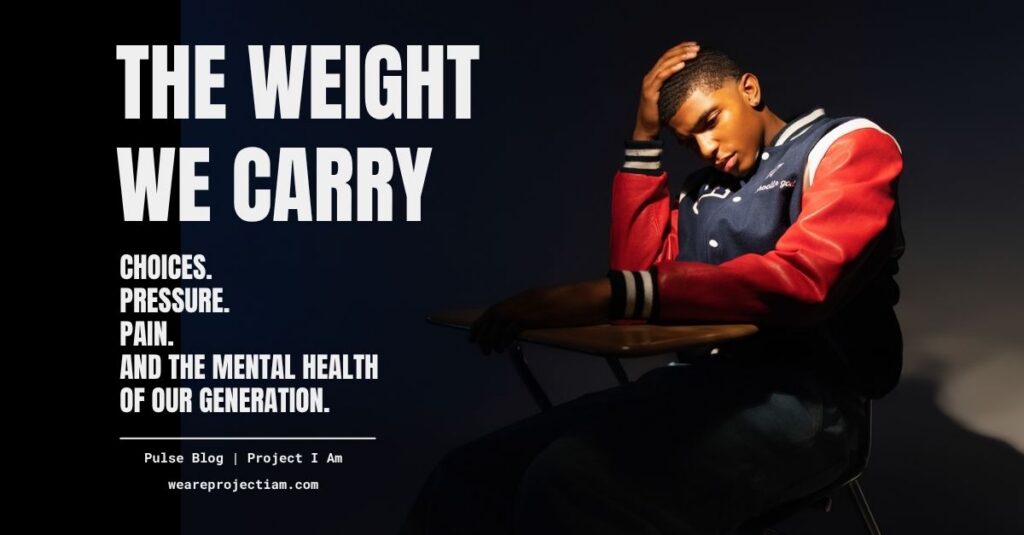
A lot of young people are carrying more emotionally than people realize.
Some are dealing with trauma.
Some are dealing with pressure.
Some are dealing with grief, anxiety, anger, or hopelessness.
And when people go through pain long enough without support or healing, they can become numb to it.
That’s dangerous.
When violence becomes normal and loss becomes expected, it changes how people think, react, and make decisions. Even becoming desensitized to violence is a mental health issue.
The Blame Game Won’t Solve It
One thing I’ve noticed is that everybody wants someone to blame.
And while accountability matters, constantly pointing fingers without creating real solutions only adds more frustration and division.
Yes, parents matter.
Communities matter.
Leadership matters.
Resources matter.
But choices matter too.
Every day, people make decisions:
- The decision to pull a trigger
- The decision to steal a car
- The decision to hurt someone
- The decision to follow negativity instead of walking away from it
And sometimes those choices are connected to pain, trauma, pressure, or mental struggles people don’t know how to process in healthy ways.
That doesn’t excuse harmful behavior, but it does mean we have to understand the deeper issues if we really want change.
Programs Matter—But Mindsets Matter Too
A lot of people say, “We just need more programs.”
And while programs absolutely help, I don’t think the issue is always a lack of opportunities.
There are organizations, mentors, coaches, and community leaders creating spaces for young people every day. I know that personally because Project I Am has spent years doing exactly that.
The harder question is:
How do we reach the young people who don’t want to be reached?
How do we help young people believe they have value beyond the streets?
How do we help them see a future worth protecting?
Because opportunities only matter if someone chooses to walk through the door.
Being “Built Different” Is About Choices
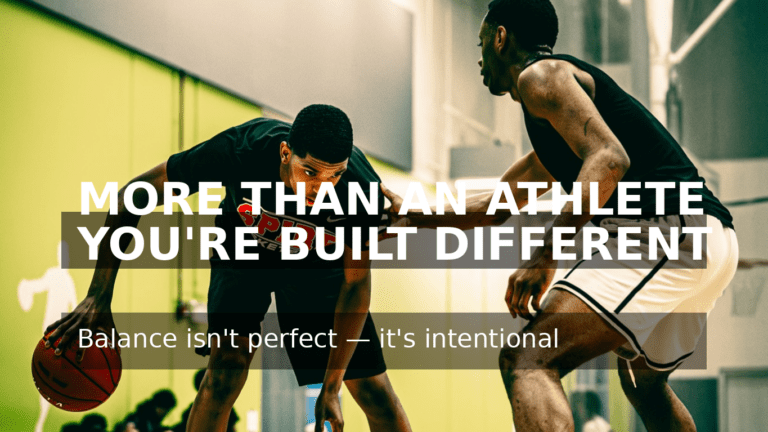
In my book Built Different, I talked a lot about mindset, discipline, and personal responsibility.
One quote that stands out now more than ever is:
“The win doesn’t always go to the fastest start — it goes to the strongest finish.”
Everybody’s story starts differently. Some people grow up with strong support systems and guidance. Some don’t.
I’ve been fortunate to have people around me who helped guide me toward positive choices, and I don’t take that for granted.
But eventually, everybody reaches moments where choices matter.
The choice to walk away.
The choice to stay focused.
The choice to protect your future.
The choice to believe your life has value.
The Pressure Is Real
Young people today are dealing with pressure from every direction.
Pressure to fit in.
Pressure to survive.
Pressure to look tough.
Pressure to act like everything is okay, even when mentally it’s not.
That’s why mental health conversations matter now more than ever. Not just after tragedies happen, but before.
We have to normalize checking in on people.
We have to normalize emotional awareness.
We have to normalize healing.
Because unresolved pain will always show up somewhere.
Final Thoughts
Being Built Different isn’t about pretending life is easy.
It’s about how you respond to pressure, pain, and adversity without losing yourself in the process.
As I wrote in Built Different:
“The pressure is real, but so is your power.”
No matter where you come from, your choices matter. Your mindset matters. Your future matters.
And while we may not have all the answers, one thing is clear:
Healing our communities will require more than blame. It will require accountability, support, opportunity, leadership, and better mental health conversations.
Because the decisions people make are often connected to the battles they’re fighting internally.
Call to Action
As we continue Mental Health Awareness Month, don’t just ask what’s wrong with this generation, ask what this generation has been carrying.
Check in on somebody. Listen more. Lead better.
And if you’re ready to go deeper into mindset, resilience, discipline, and personal growth:
Get your copy of Built Different and continue building your mindset:
https://www.paypal.com/ncp/payment/TNWHTB2NUJDXW