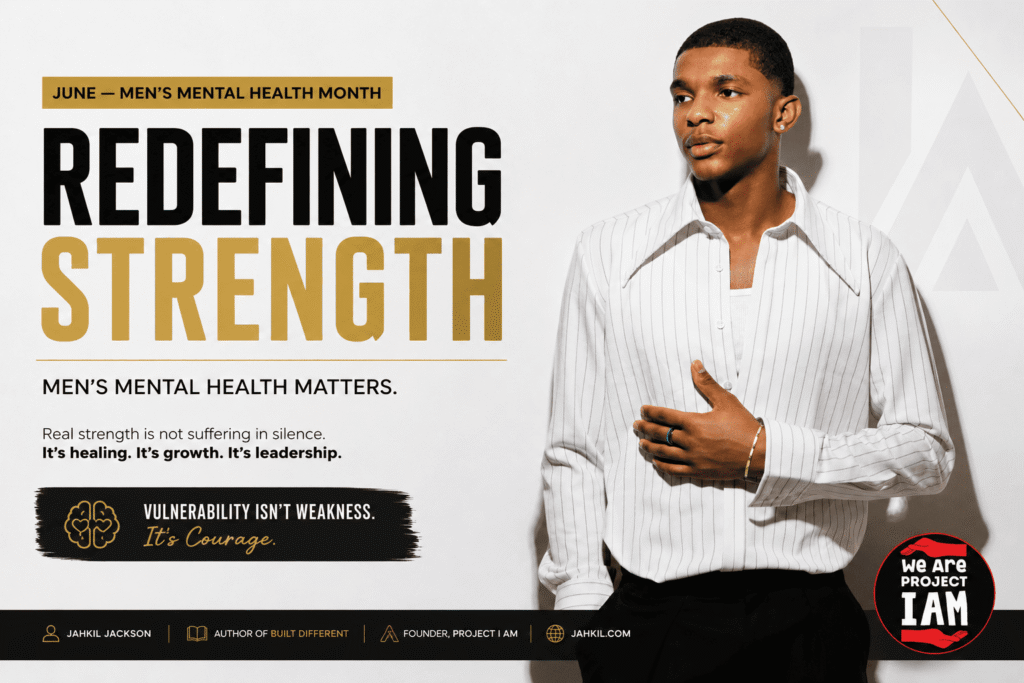
June is Men’s Mental Health Month, a time to shine a light on conversations that too often happen in silence.
For generations, many young men have been taught that strength means being tough, staying quiet, and handling everything on their own. We hear phrases like “man up,” “don’t cry,” or “just deal with it.” While resilience is important, those messages can also make it hard for young men to speak up when they are struggling.
But real strength is not pretending everything is okay.
Real strength is being honest with yourself.
Real strength is knowing when you need support.
Real strength is choosing healing instead of silence.
As a student-athlete, entrepreneur, author, and leader, Jahkil Jackson understands what it feels like to carry pressure. From school and sports to business, service, leadership, and personal expectations, there can be a lot weighing on young people, especially young men who feel like they always have to be strong.
That is one of the reasons Jahkil wrote his book, Built Different.
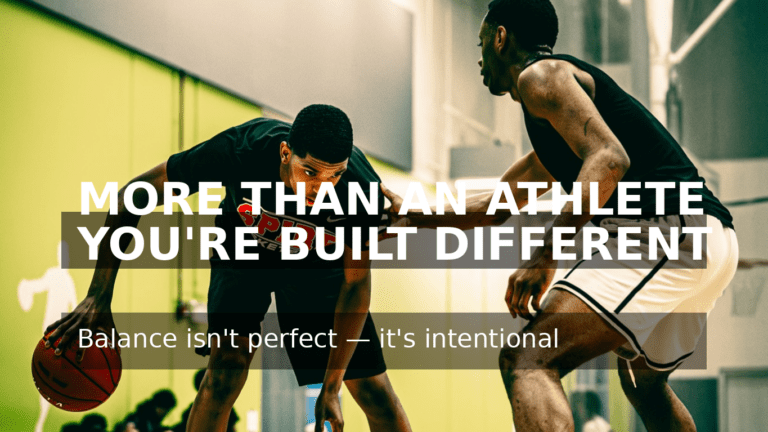
Built Different focuses on mental health, resilience, self-awareness, and the mindset needed to push through difficult moments. It reminds young people that being “built different” does not mean being perfect or never struggling. It means learning how to face challenges, grow through adversity, and keep moving forward without losing yourself in the process.
Too many young men suffer in silence because they do not want to be judged, misunderstood, or seen as weak. But the truth is, everyone needs support. Even leaders. Even athletes. Even entrepreneurs. Even the people who look like they have it all together.
At Project I Am, we believe leadership starts from within. Before we can serve others, lead in our communities, or create change, we have to learn how to take care of ourselves. Mental wellness is not separate from leadership, it is actually a part of leadership.
Ways Young Men Can Focus on Themselves
Taking care of your mental health does not always have to be complicated. Sometimes it starts with small, intentional choices.
- Check in with yourself daily.
Take a few minutes each day to ask yourself: How am I really feeling? What do I need today? What has been weighing on me? Being honest with yourself is the first step toward healing. - Talk to someone you trust.
You do not have to tell everyone your business, but you should have at least one safe person you can be real with. That could be a parent, mentor, coach, teacher, counselor, friend, or family member. - Take breaks without feeling guilty.
Rest is not laziness. Sometimes your mind and body need time to reset. Whether it is stepping away from your phone, getting more sleep, taking a walk, or simply sitting in silence, breaks are necessary. - Pay attention to what you consume.
Music, social media, conversations, and environments can all affect your mindset. Be mindful of what you allow into your space, especially when you are already feeling overwhelmed. - Move your body.
Exercise, sports, stretching, walking, or even dancing can help release stress and improve your mood. You do not have to be an athlete to use movement as a tool for mental wellness. - Write it out.
Journaling can help you process what you may not be ready to say out loud. Write down your thoughts, goals, frustrations, prayers, or things you are grateful for. - Give yourself permission to ask for help.
Asking for help does not make you weak. It means you care enough about your future to get the support you need.
Men’s Mental Health Month is a reminder that we must continue creating spaces where young men feel seen, heard, and supported. We have to challenge the idea that vulnerability is weakness. In reality, vulnerability can be one of the strongest things a person can show.
The next generation of leaders does not need to hide their struggles. They need to know that healing is possible. They need to know that their voices matter. They need to know that they are not alone.
Because sometimes the strongest thing a person can do is say, “I’m not okay,” and take the first step toward getting better.
That is what being truly built different looks like.