When people hear the word homelessness, they often picture one specific image: someone sleeping on a sidewalk with a cardboard sign. But the truth is far more complex. Over the past 10 years of working closely with individuals experiencing homelessness, I’ve learned just how many misconceptions exist and how important it is to replace them with truth, compassion, and real stories.
🔍 Busting the Top 3 Myths About Homelessness
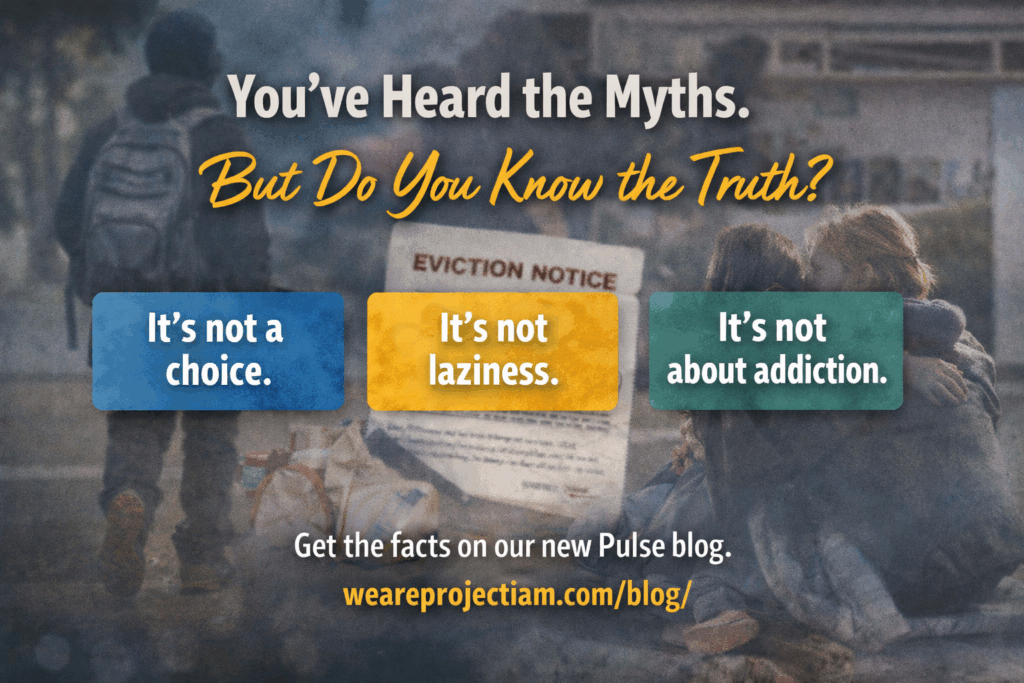
MYTH 1: “People choose to be homeless.”
Reality: Most people experiencing homelessness didn’t choose this life, they were pushed into it by circumstances beyond their control.According to the U.S. Department of Housing and Urban Development (HUD), top causes of homelessness include job loss, unaffordable rent, family breakdown, eviction, and domestic violence. These aren’t just statistics. I’ve met people who were living stable lives until one unexpected crisis changed everything.
Many are doing everything they can to survive and stay safe. Some are single parents trying to shield their children from instability. Others are young people who were forced out of their homes for simply being who they are. Homelessness isn’t a reflection of poor choices—it’s a reflection of broken systems and a lack of support when people need it most.
MYTH 2: “It’s all because of laziness.”
Reality: This is one of the most harmful myths I’ve heard and it’s flat-out false.
According to the National Alliance to End Homelessness, a significant number of unhoused people are working or actively looking for employment. I’ve met folks who are holding down jobs while sleeping in their cars. I’ve handed out Blessing Bags to people on their way to job interviews. Laziness isn’t the problem it’s often a lack of access, opportunity, or support.
It’s hard to hold a job when you don’t have a mailing address, clean clothes, or reliable transportation. And it’s even harder when people assume you aren’t trying. What I’ve learned from these experiences is that most people aren’t looking for a handout—they’re looking for a chance.
MYTH 3: “Most people experiencing homelessness are addicts.”
Reality: This stereotype continues to show up in conversations and it’s both misleading and dangerous.
According to the Substance Abuse and Mental Health Services Administration (SAMHSA), only about 25% of people experiencing homelessness in the U.S. live with a substance use disorder. The majority do not.
Yes, some people do struggle with addiction but often, it’s a response to trauma, mental health issues, or the harsh conditions of living outside, not the reason they ended up homeless. I’ve had conversations with people who are doing everything they can to stay sober, find peace, and rebuild their lives, even while facing impossible odds. Reducing someone’s story to addiction erases the humanity behind it.
💡 What You Can Do
Over the past decade, I’ve come to understand that empathy alone isn’t enough, we need action too. Here’s how you can be part of changing the narrative:
- Talk about the truth. Share accurate information to challenge stereotypes.
- Support with dignity. Items like hygiene products, clean socks, and warm supplies make a real difference.
- Get involved. Join youth-led initiatives like Project I Am’s Global Giving Collective.
- Advocate for change. Push for affordable housing, mental health support, and long-term solutions.
❤️ Final Thought
Homelessness isn’t always visible. It can look like the student in your class, the parent at your local store, or the neighbor you pass on the street. By pushing past the myths and leading with understanding, we can shift the conversation and help create a world where dignity, safety, and home are a reality for everyone.